
How Moonpie Grew Email Revenue to 31% for a Supplement Brand
Increasing Returning Customer Rate to 53.89% Through a Trust-First Lifecycle Marketing Strategy
What does it take for a supplement brand on Shopify to generate over $800,000 in revenue without increasing ad spend? The answer is a lifecycle marketing strategy built around one fundamental principle: customer trust.
This lifecycle marketing case study breaks down how Moonpie redesigned an underperforming email system into a revenue engine – achieving measurable, sustainable results:
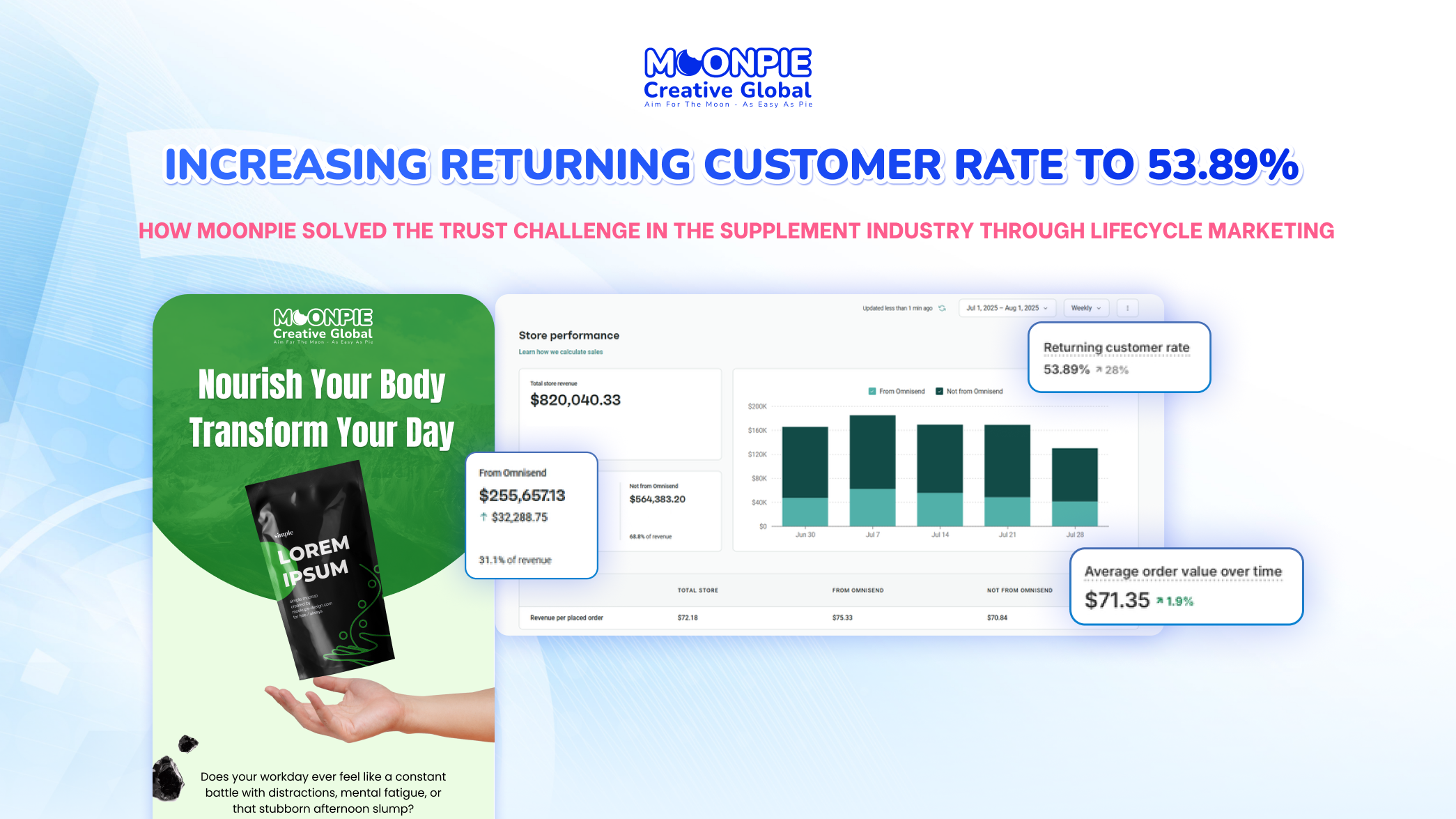
| $255,657 USD
in email revenue |
31,1%
of total revenue from email |
53,89%
returning customer rate |
If you are struggling with rising ad costs or underperforming email marketing systems, this framework shows how to turn your existing customer data into a longterm revenue engine.
1. Brand Overview
- Industry: Supplement
- Platform: Shopify
- Lifecycle marketing platform: Omnisend (Email & SMS)
-
Product categories:
- Energy & performance products
- Hormone balance & longterm wellness products
-
Target customer segments:
- Energy & performance segment
– Primarily men aged 35+ or individuals working in highintensity environments.
– They often experience fatigue, lack of focus, and reduced physical performance.
– They are looking for solutions to improve energy while remaining safe and nondependent on stimulants. - Hormone & longterm health segment
– Primarily women aged 40+.
– They begin to experience hormonerelated issues affecting mood, physical condition, and overall wellbeing.
– They prioritize stability, balance, and longterm quality of life.
- Energy & performance segment
Key insight: Customers in both segments are not easily convinced by advertising. They need to understand the product clearly before making a purchase decision. This is the core challenge that lifecycle marketing was designed to solve.
2. Key Challenges
2.1. Performance Metrics
From late 2024 to early 2025:
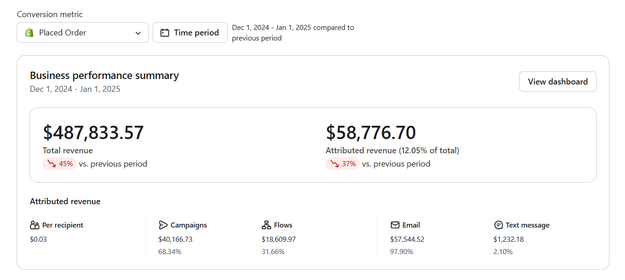
| $487,833
total revenue |
$58,776
emailattributed revenue |
12.05%
revenue contribution from email |
2.2. System Limitations
- ~68% of revenue came from campaigns
- Only ~32% came from automated flows
This indicates that the automation system was underdeveloped. Key issues included:
- Flows were basic and limited
- No structured postpurchase nurturing system
- Campaigns were mostly promotional and salesdriven
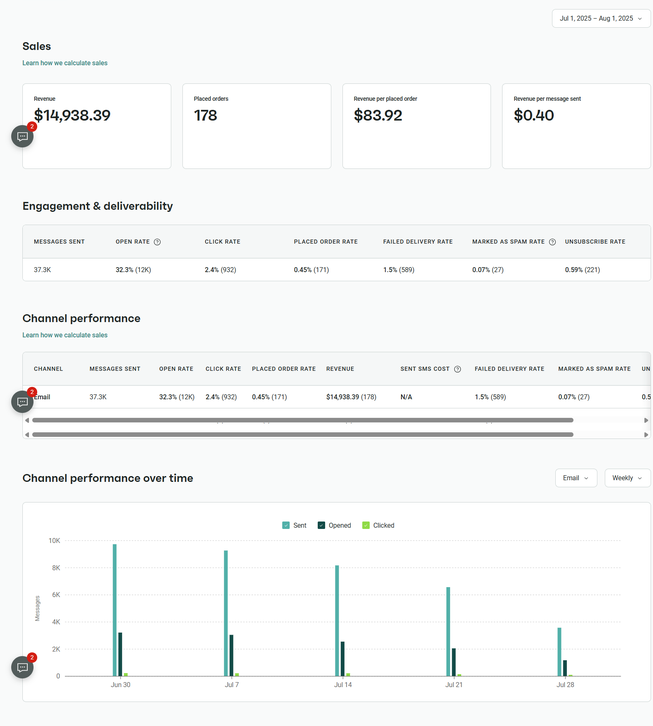
- Click rates were low (~0.3–0.5%)
Email was present, but not functioning as a strategic system.
2.3. Customer Behavior Challenges
In the supplement industry, customers often:
- Doubt product effectiveness
- Do not fully understand how the product works
- Require time before making a decision
Without proper educational and trust-building content, they tend to:
- Not purchase
- Not return
- Not build loyalty
The core issue was not a lack of emails. It was the absence of a trust-building system – the foundation of effective lifecycle marketing.
3. Strategic Objectives
Moonpie did not pursue short-term revenue spikes. Instead, the strategy was anchored in three sustainable objectives:
- Increase email revenue contribution
- Improve returning customer rate
- Reduce reliance on promotional campaigns
The ultimate goal was to transform email into a channel that helps customers understand and trust the product – the prerequisite for both first purchase and repeat purchase.
4. Strategy & Execution
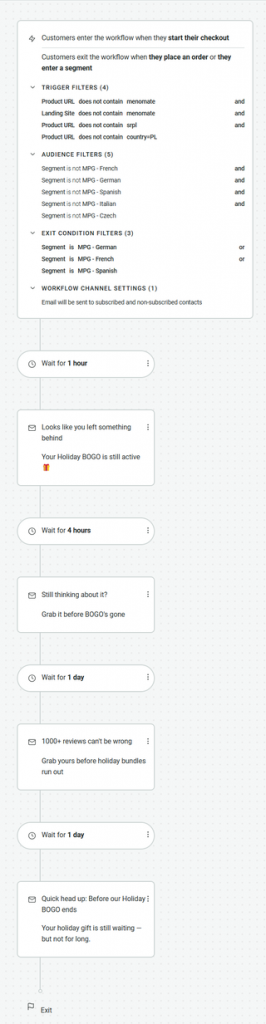
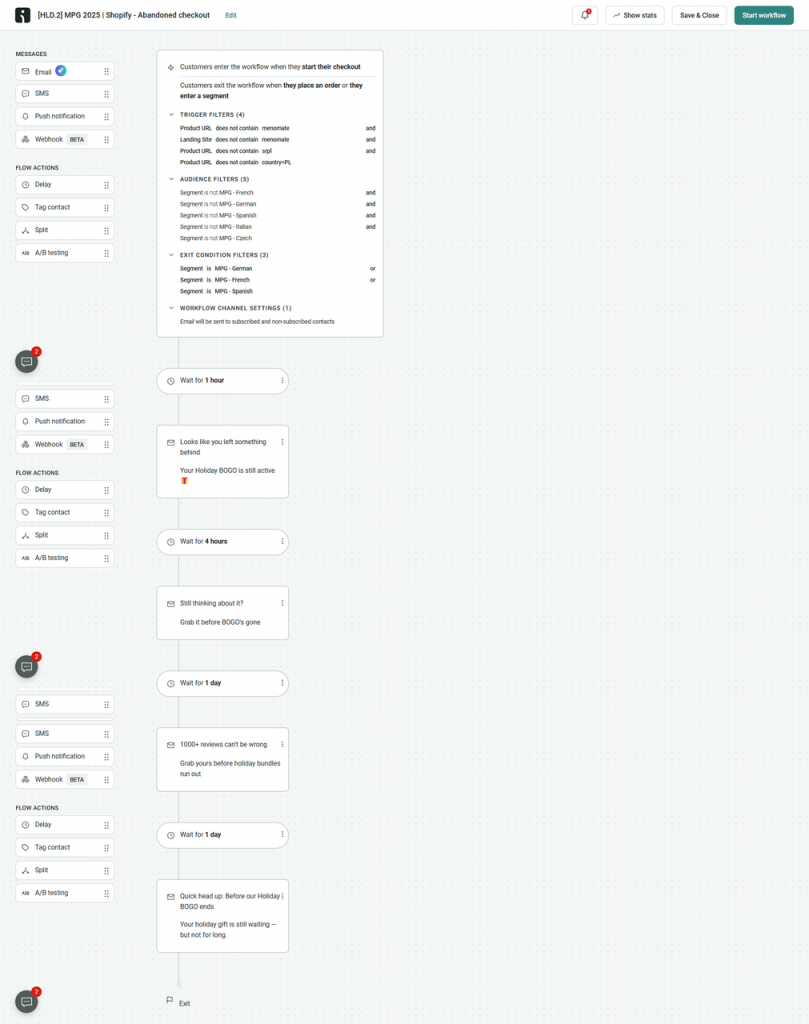
4.1. Rebuilding the Email System Around the Customer Journey
The first step was redesigning the entire email architecture based on lifecycle stages rather than send frequency.
Pre-purchase Stage
Content was focused on identifying customer problems (fatigue, low energy, hormonal imbalance), explaining why these issues occur, and introducing solutions grounded in science. The goal was to help customers understand their own situation before introducing the product.
Post-purchase Stage
Moonpie introduced a structured post-purchase nurturing system covering product usage guidance, clear timelines on expected results, and content that reinforces the customer’s purchase decision. This reduced post-purchase doubt, improved the product experience, and created the conditions for repeat purchase.
4.2. Changing the Communication Approach
Instead of saying: “Product helps increase energy”
Moonpie shifted to:
- Explaining what is happening inside the body
- Clarifying the role of each ingredient
- Showing why the product can be effective
Customers no longer feel they are being sold to. They feel they are being informed.
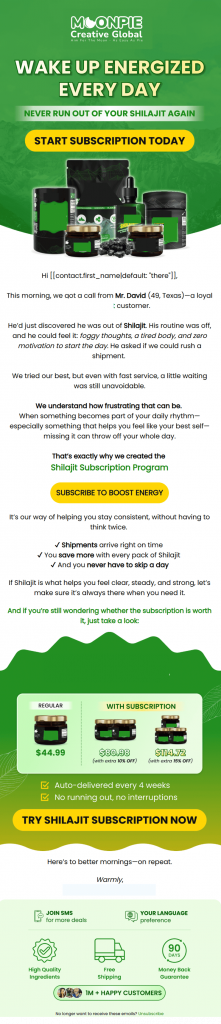
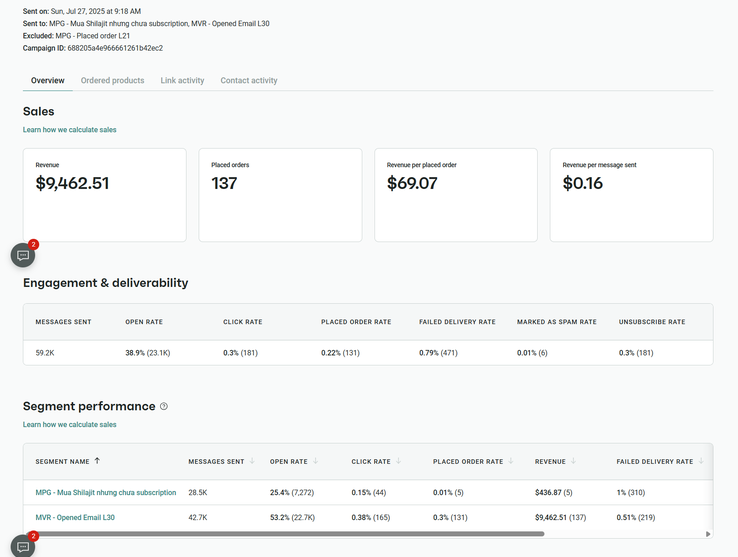
4.3. Building Deep, Value-Driven Email Content
Email content was developed beyond product promotion.
Personalized content tailored to each customer segment
- Men: focused on energy and hormone support
- Women: focused on balance and overall stability
- Performance-focused users: focused on concentration and endurance
Clear, health-focused content
Emails do not simply claim that the product is effective. Instead, they:
- Explain key ingredients
- Clarify how the product works
- Present information in a simple, easy-to-understand way
Customer Stories & Real Experiences
Moonpie incorporated:
- Real customer feedback
- Post-usage experiences
- Specific improvements
This increases credibility and reduces skepticism.
Long-term Trust Building
Content was designed to:
- Reinforce purchase decisions
- Explain the improvement process
- Avoid unrealistic expectations
The goal is to create confidence and encourage continued usage.
4.4. Personalization Based on Behavior
Moonpie did not send the same content to all customers.
Instead:
- Customers receive content based on their interests
- Product buyers receive relevant guidance and recommendations
This makes email more relevant and effective for each individual.
5. Results: What Lifecycle Marketing Delivered
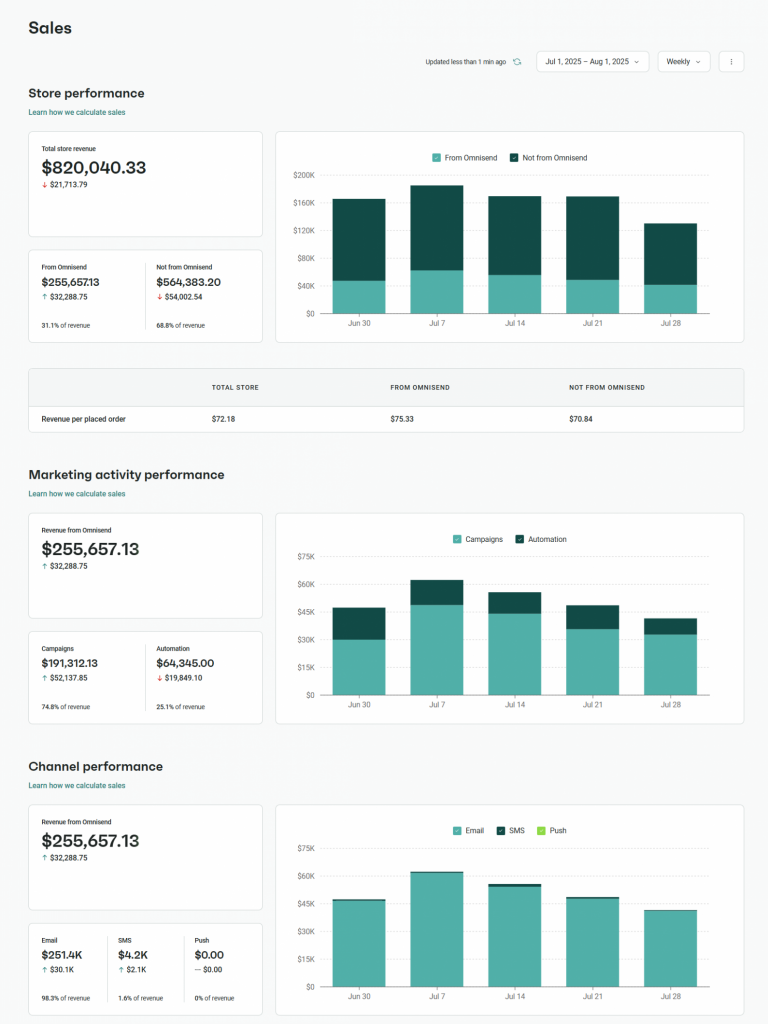
After implementing the strategy, performance improved significantly:
| $255,657 USD
email revenue |
31,1%
of total revenue from email |
53,89%
returning customer rate |
$71,35 USD
AOV |
6. Why Lifecycle Marketing Works for Supplement Brands
Through this engagement, Moonpie confirmed a pattern that appears across high-trust, considered-purchase categories: customers do not lack demand. They lack the trust to act on it.
Lifecycle marketing becomes truly effective when it:
- Helps customers understand the product before they purchase
- Addresses doubts and sets realistic expectations after purchase
- Reinforces the purchase decision to reduce churn
- Builds behavioral data that enables ongoing personalization
These are not tactics. They are the foundation of a sustainable growth system – one that compounds over time as customer trust and lifetime value increase together.
Ready to build a lifecycle marketing system that drives sustainable revenue?
Contact Moonpie today to explore how lifecycle marketing can unlock long-term growth for your business.
Related case studies:
Lifecycle Marketing: 156% Email Revenue Growth for Home Decor