Lifecycle Marketing: 156% Email Revenue Growth for Home Decor
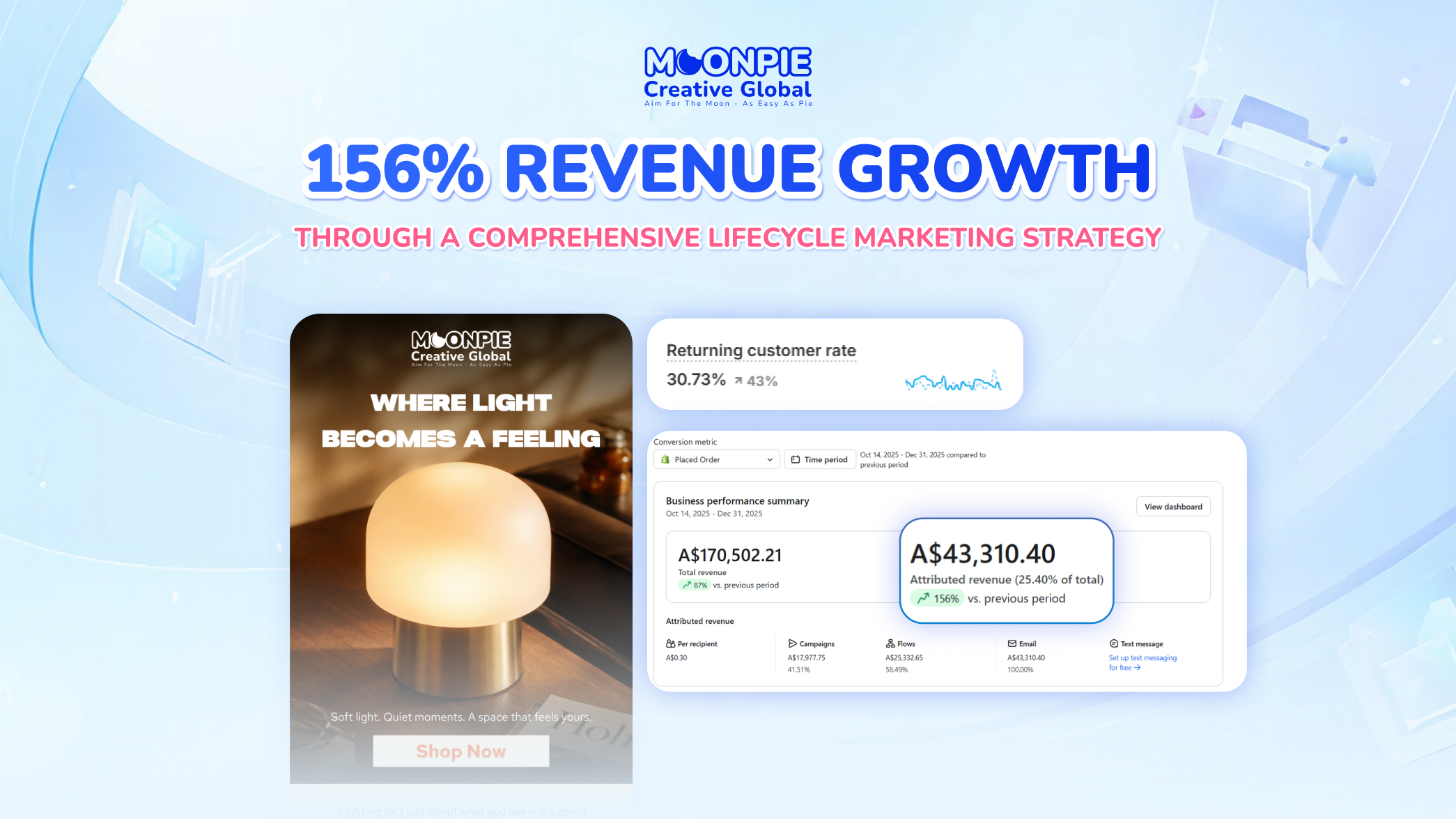
After just 3 months of implementing a lifecycle marketing system on Klaviyo, Moonpie helped a Home & Living business achieve significant results:
- Email revenue increased by 156%
- Email contributed 25.4% of total revenue
- Repeat purchase rate improved significantly, reaching 30%
- Flow automation contributed 58.49% of email revenue, creating a sustainable growth foundation
These results did not come from short-term campaigns, but from building a complete lifecycle marketing system
1. Brand Context
- Industry: Home & Living
- Platform: Shopify
- Lifecycle marketing platform: Klaviyo (Email & SMS)
- Product category: Premium decorative lighting and home decor
- Target customers: The brand focuses on women aged 40+ in Australia and Canada. This customer group has stable income, a well-defined aesthetic sensibility, and a strong desire to create living spaces that reflect their personal style.
Why Their Purchase Behavior Requires a Lifecycle Approach
For this audience, buying a lamp is not simply purchasing a lighting product. It is a decision tied to creating a warm atmosphere at home, enhancing daily living quality, and expressing personal taste. As a result, their buying behavior typically includes longer consideration time, lower price sensitivity, and a higher likelihood of returning if the initial experience is positive.
However, they are also at high risk of losing connection with a brand if not continuously nurtured. Therefore, a lifecycle marketing system becomes essential not just to drive conversion, but to maintain meaningful long-term relationships with customers who have a genuine reason to come back.
2. The Problem
Before working with Moonpie, the business had been running email marketing on Klaviyo for some time. However, performance was not aligned with the potential of their customer base.
Performance metrics:
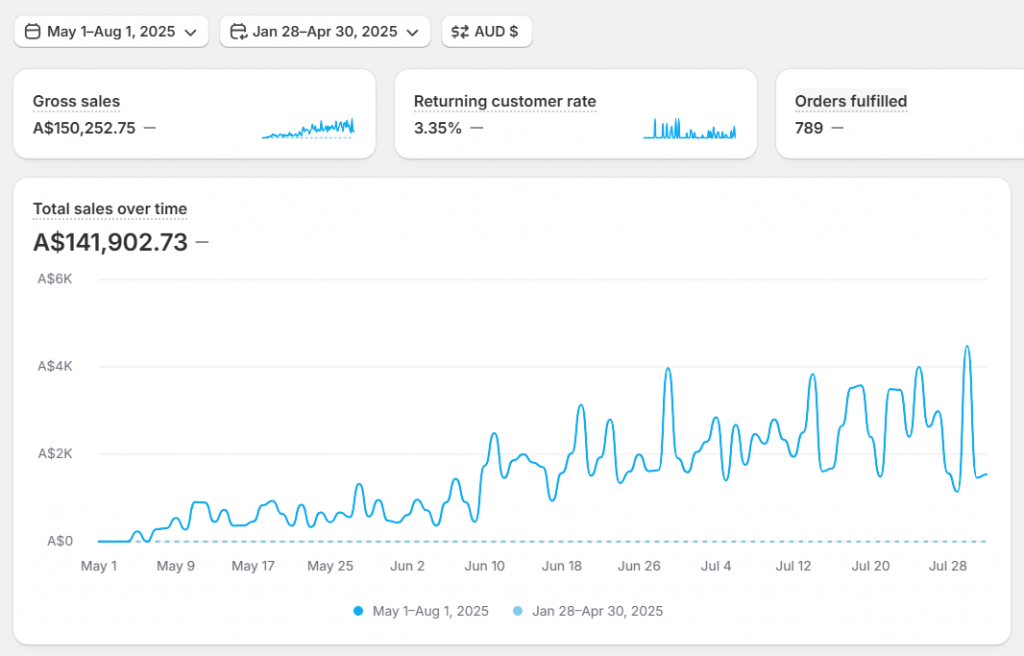
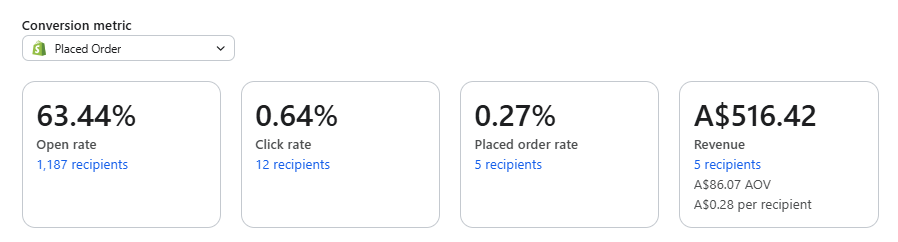
- 90-day repeat purchase rate: 3.35%
- Email contributed 6.41% of total revenue
- Campaign contribution remained limited within the last 90 days
System issues:
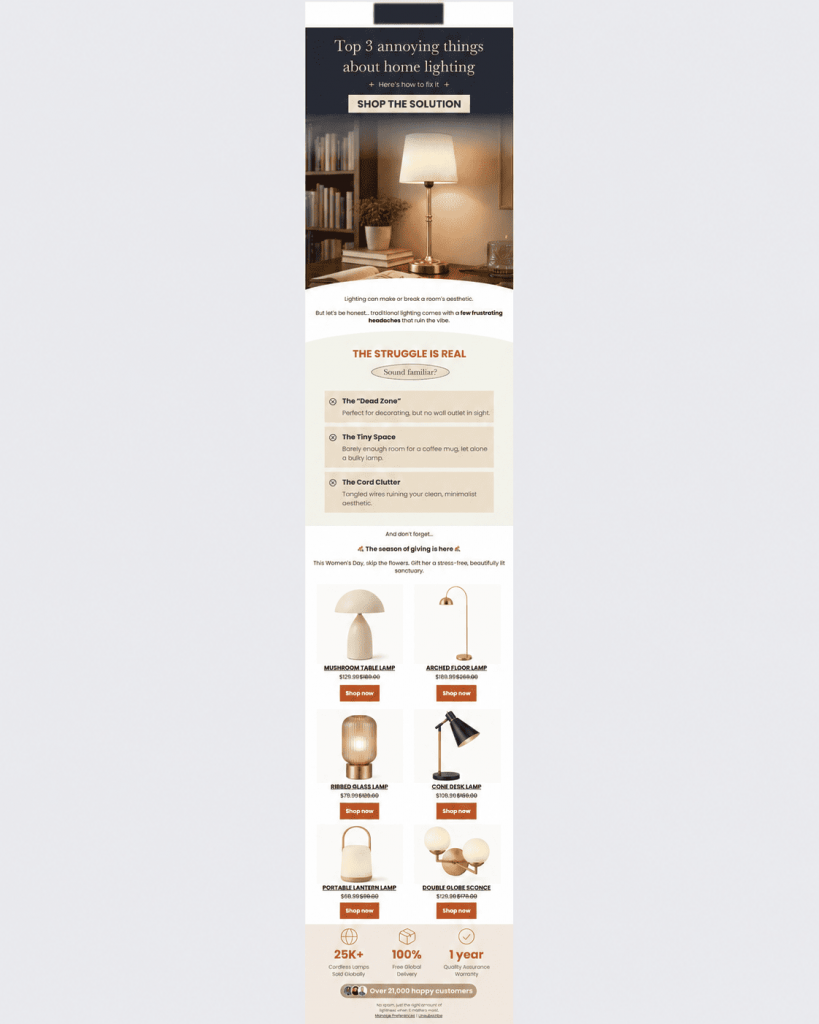
The existing email flows were fragmented and not aligned with the customer journey. Beyond that, content was mainly promotion-based with little storytelling, there was no behavioral personalization in place, and the post-purchase stage was almost entirely absent.
Customer behavior challenge:
In other words, the problem was not a lack of traffic, it was the absence of a structured lifecycle marketing system to nurture customers beyond the first transaction.
3. The Objective
Second, grow email revenue contribution from 6.41% to 15–20% of total store revenue, reducing reliance on paid acquisition.
4. Strategy & Framework
4.1. Rebuilding the Lifecycle System
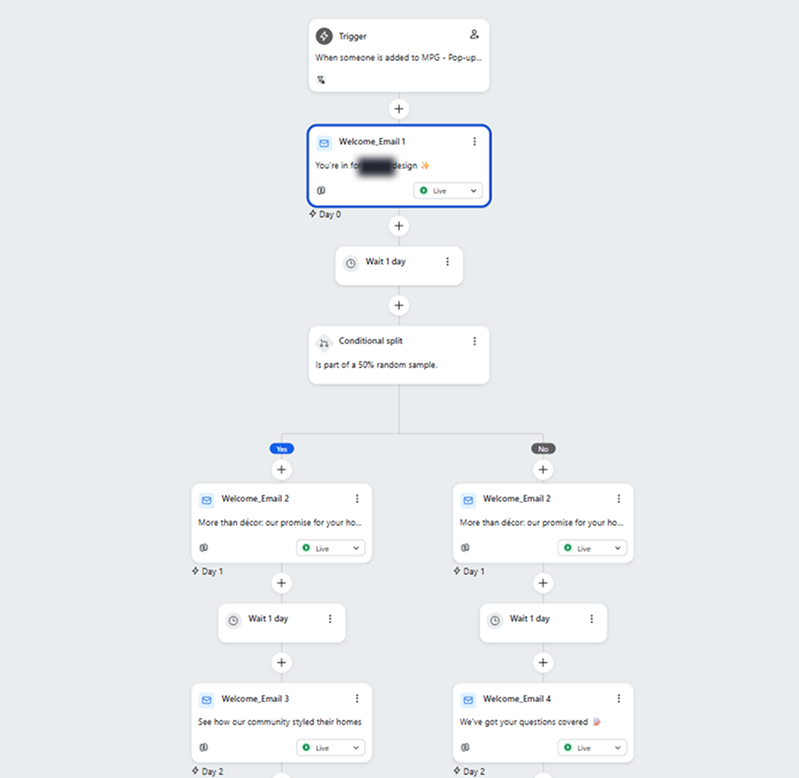
Pre-purchase
-
Welcome flow focused on storytelling and brand positioning
-
Abandoned checkout flow optimized to reduce friction
-
Browse abandonment based on product-view behavior
Post-purchase
-
Product usage and placement guidance
-
Inspirational content about lighting and home decor
-
Cross-sell suggestions based on purchased products
-
Suggestions for combining table lamps with ceiling lights
-
Decor ideas based on similar tones
-
Products that help “complete the space”
4.2. Behavioral Personalization
-
Product browsing behavior
-
Purchase history
-
Email engagement
-
Content about cozy living spaces
-
Product suggestions in the same style
-
Increase content relevance
-
Reduce the feeling of being advertised to
-
Improve conversion rates
4.3. Campaign Strategy Restructuring
a) Inspiration content
-
Decor ideas
-
Lighting applications in living spaces
b) Storytelling content
-
Brand stories
-
Product value
c) Promotion content
-
Controlled discount frequency
-
Maintaining premium brand image
5. Results
Revenue
-
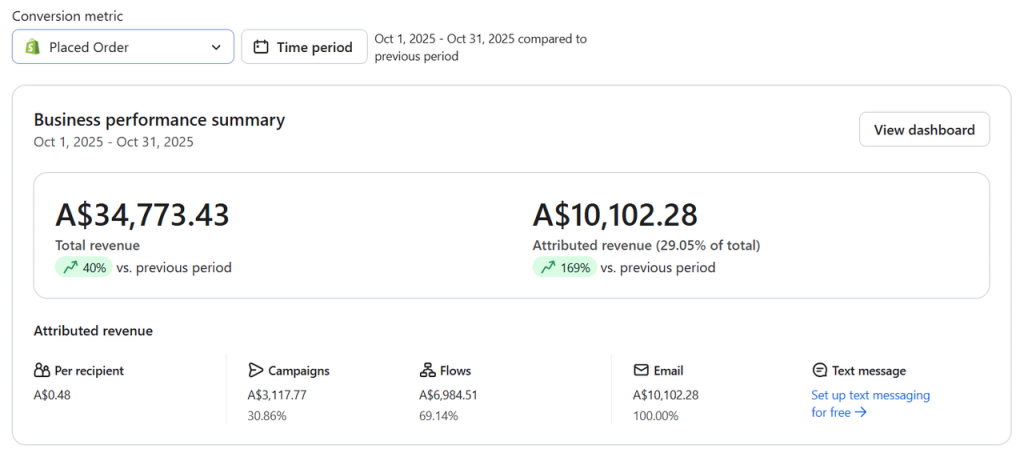
Email revenue increased by 169%
-
Email contributed 29% of total revenue
System performance
-
Flow automation: 69.14% of revenue
-
Campaign: 30.86%
Growth speed
-
Revenue increased by 40% within the first month
Customer behavior
-
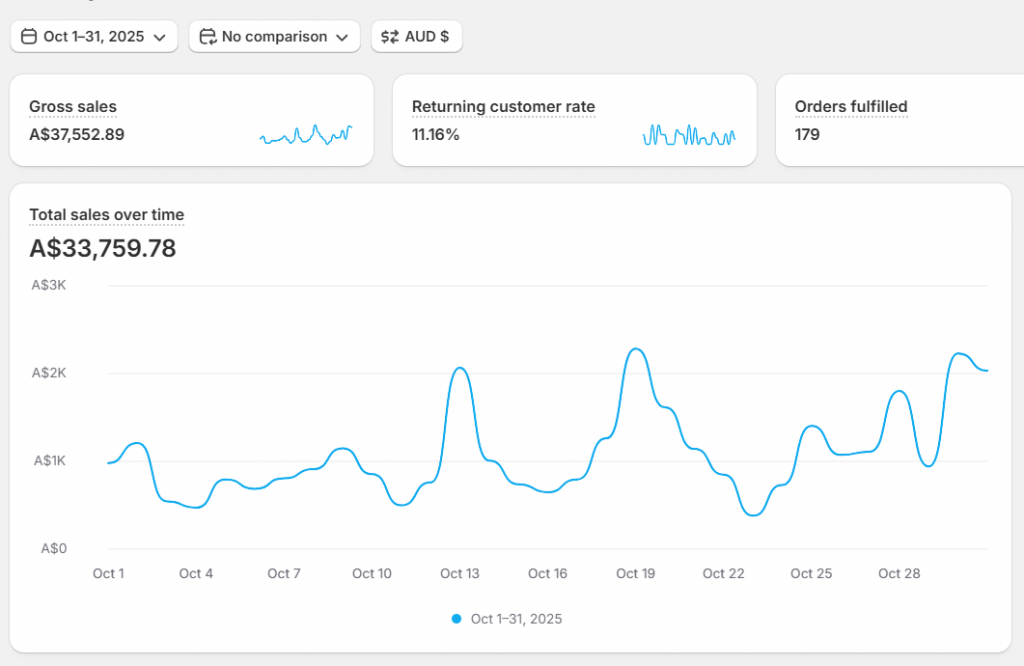
Repeat purchase rate increased significantly to 11.16%
-
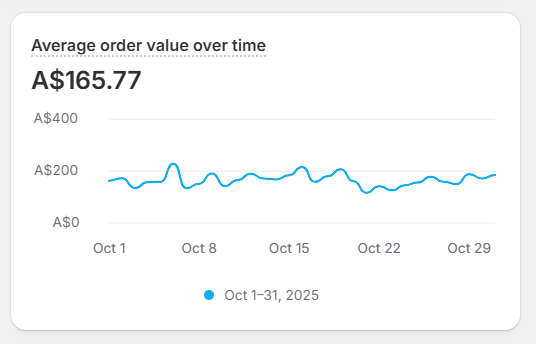
Average Order Value (AOV) reached 165.77, improved through cross-sell strategies
6. Conclusion
From this case study, Moonpie identified an important insight: Businesses do not lack customers. They lack a system to retain them.
Growth through lifecycle marketing does not come from sending more emails. It comes from building a structured system, personalizing content to the right audience at the right moment, and nurturing customers long after the first purchase, especially in a category like home decor, where the emotional connection to the product is high but the next purchase trigger is not immediate.
Moonpie does not simply execute email campaigns. Instead, Moonpie builds complete lifecycle marketing systems that help brands increase repeat purchase rates, grow average order value, and generate stable, compounding revenue over time.
Related case studies:
How Moonpie Grew Email Revenue to 31% for a Supplement Brand